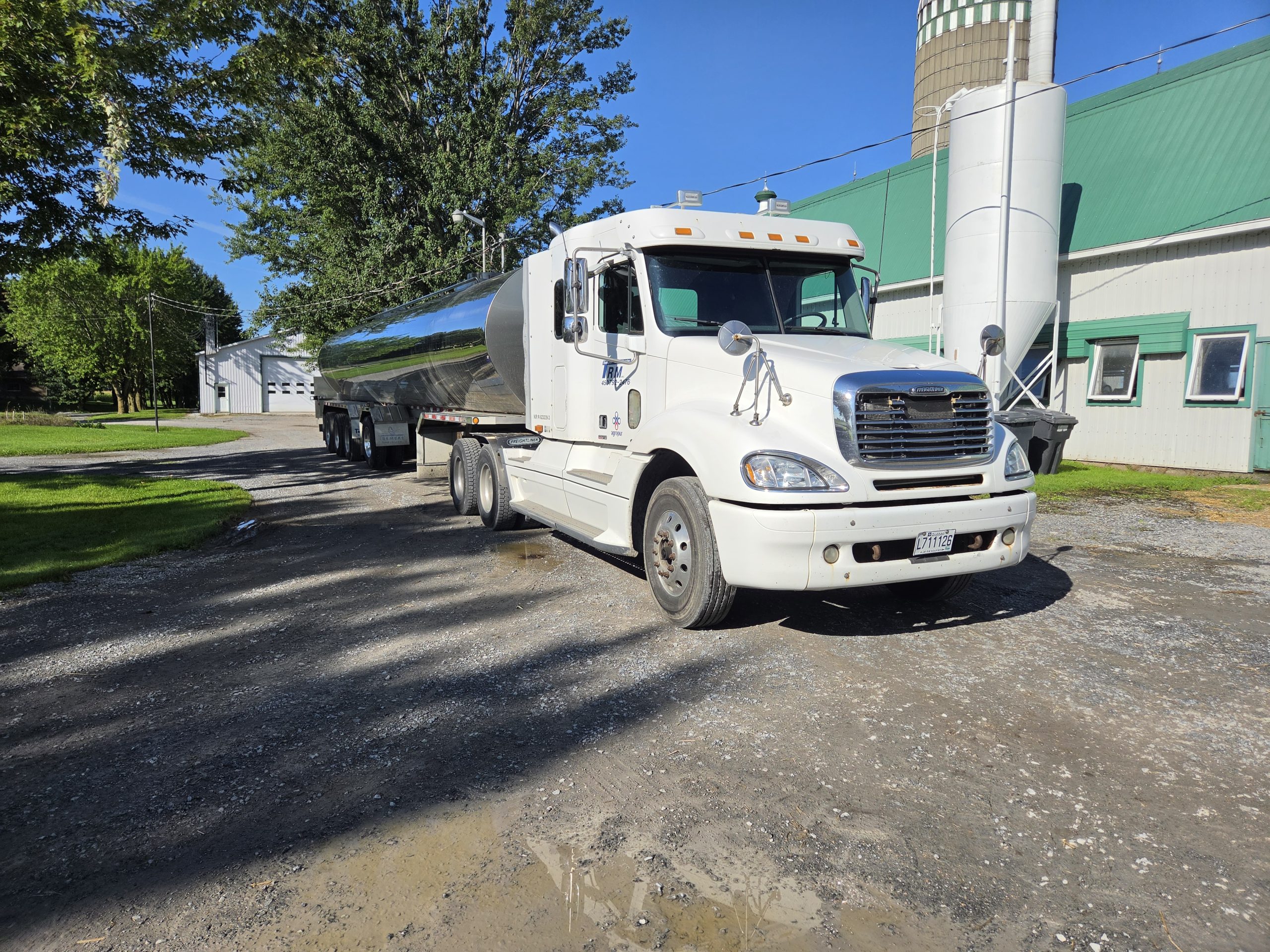
Once milking is finished, the milk does not go straight to the grocery store. It first stays on the farm in a refrigerated bulk tank until the milk tanker arrives. From the outside, pickup may look simple: a truck arrives, connects a hose and leaves. In reality, several steps are involved in measuring the volume, keeping the milk at the proper temperature, collecting samples and maintaining traceability.
Here is how milk pickup actually works on a Quebec dairy farm, using a real farm setup as an example.
The milk is stored in a refrigerated bulk tank
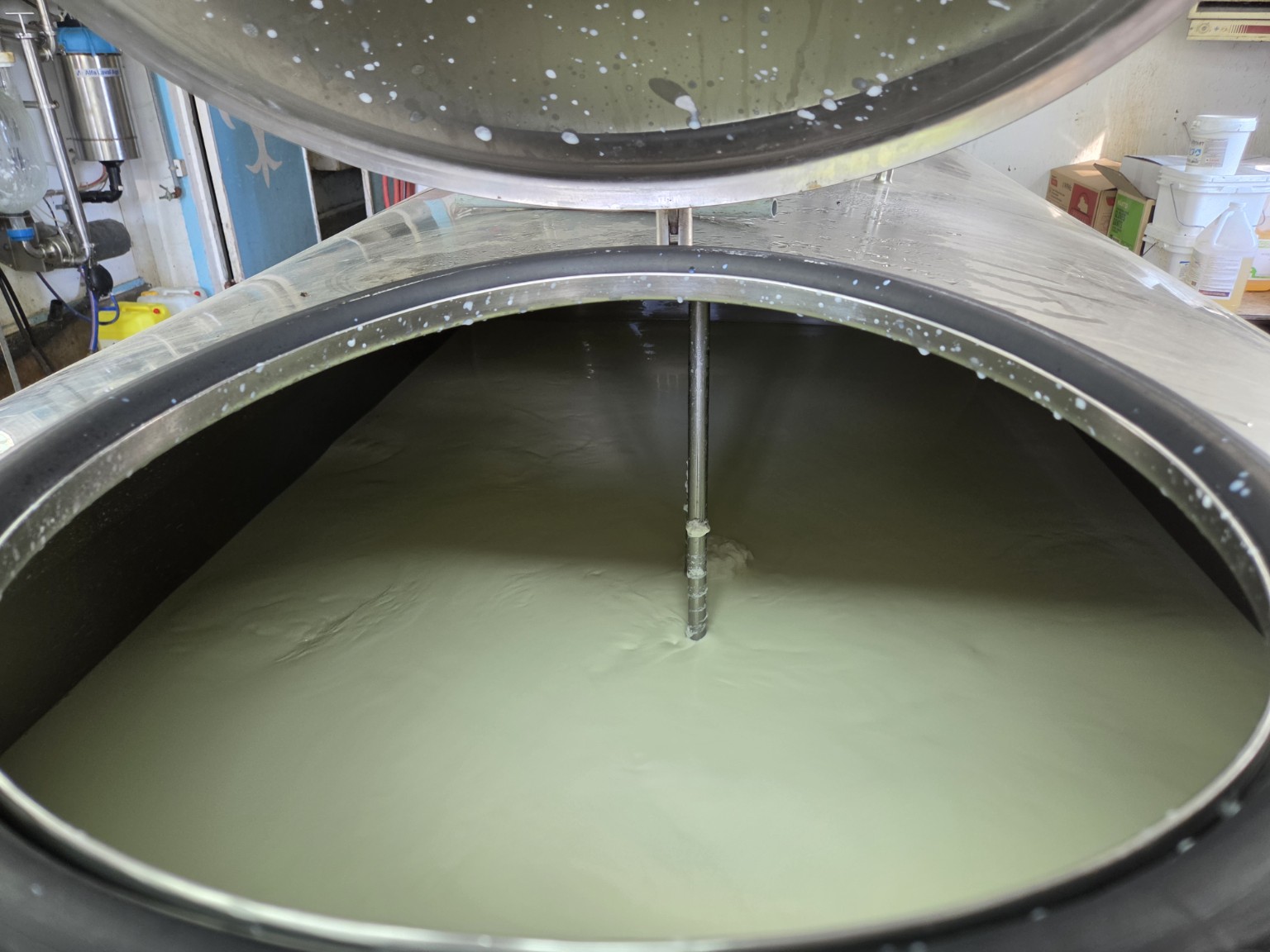
After milking, the milk is sent into a stainless-steel bulk tank. On the farm shown here, the tank can hold up to 4,000 litres.
The milk is kept between 3 and 4 °C. Rapid cooling and storage at a low temperature help preserve milk quality until pickup. An agitator periodically mixes the milk so that it remains homogeneous in the tank.
The truck comes here every two days. The tank therefore has to hold the milk produced between pickups.
The milk volume is measured before pumping
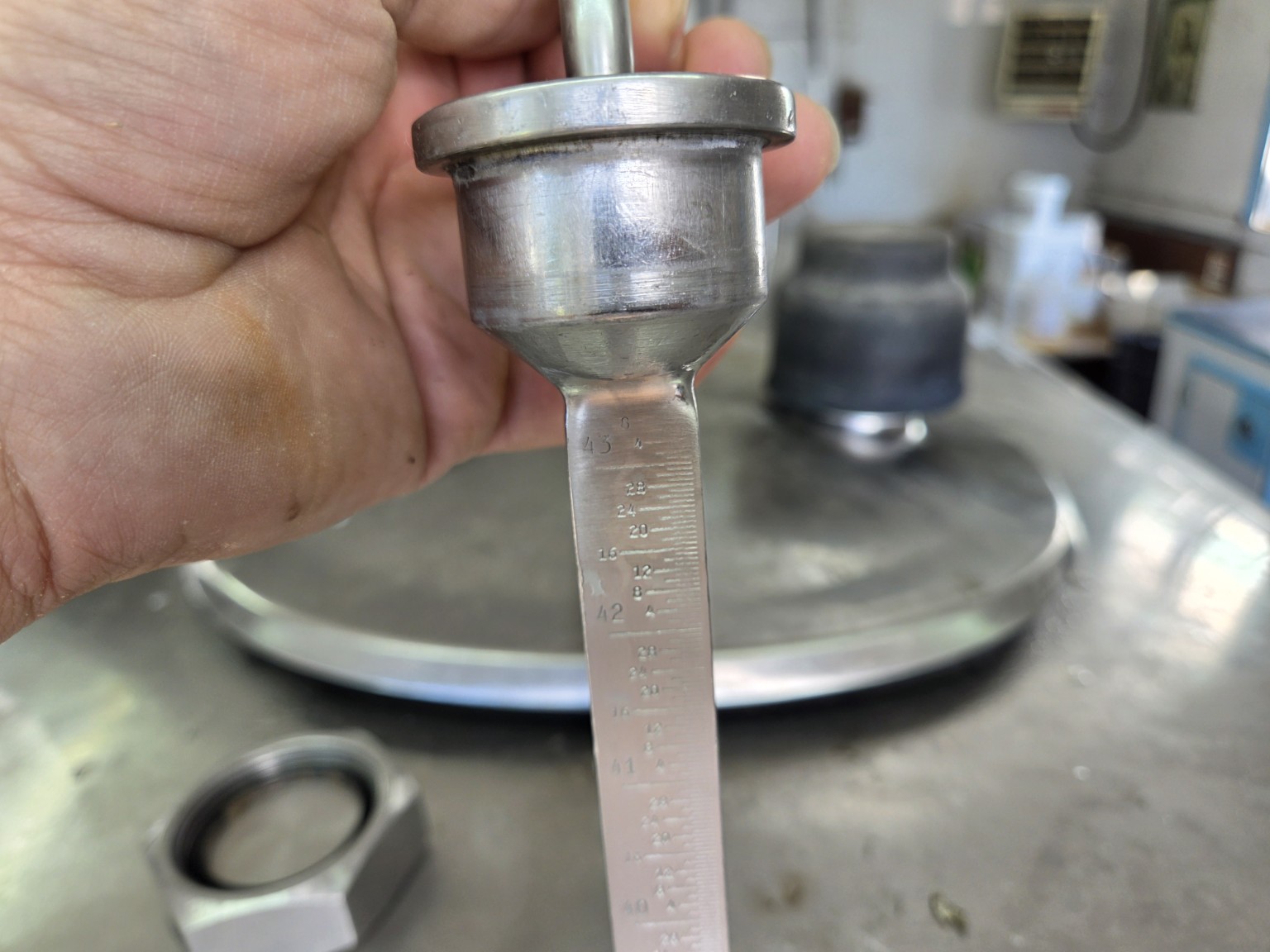
Before transferring the milk into the truck, the amount in the tank must be determined accurately.
A graduated gauge is used to measure the milk level. That reading is not converted directly into litres using a universal formula: each tank has its own calibration table. The gauge reading is compared with that table to determine the corresponding volume.
Tank calibration is an integral part of the measuring system. Certain parts of the installation are fixed in place so that any movement of the tank or change that could affect the readings can be detected easily. On this installation, a calibration reference point is visible near the base of the tank.
Milk samples are collected
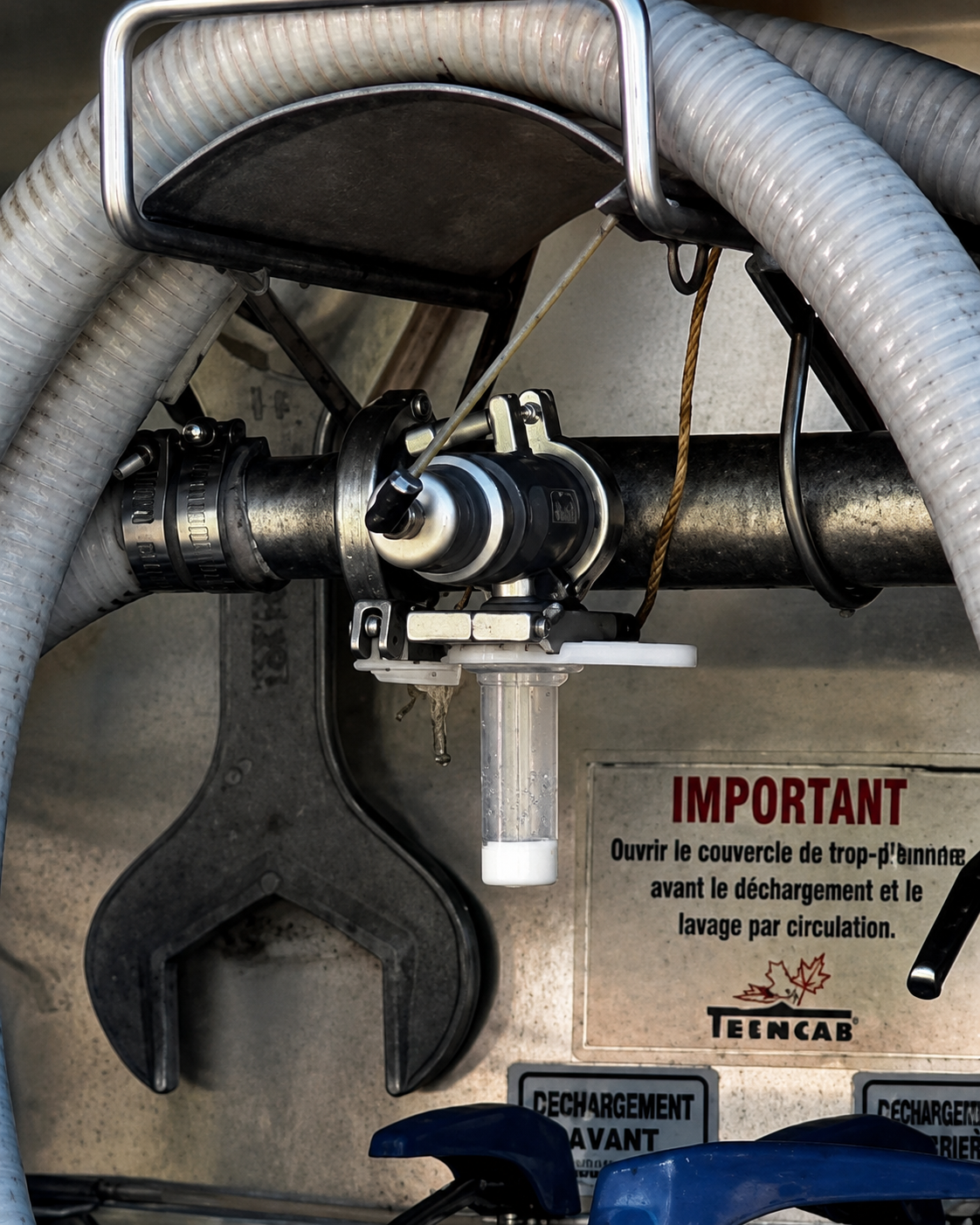
Milk pickup is not only about transportation. It is also an opportunity to collect samples for quality testing.
During the pickup shown here, one sample is collected automatically by the truck system. Another is also taken directly from the bulk tank.
These samples are used to check milk composition and several quality parameters, including butterfat and protein, bacterial quality, somatic cell count and the possible presence of antibiotic residues.
This system allows test results to be tied back to the milk from each individual farm, even though the tanker may later collect milk from several farms in the same load.
The milk is pumped into the tanker
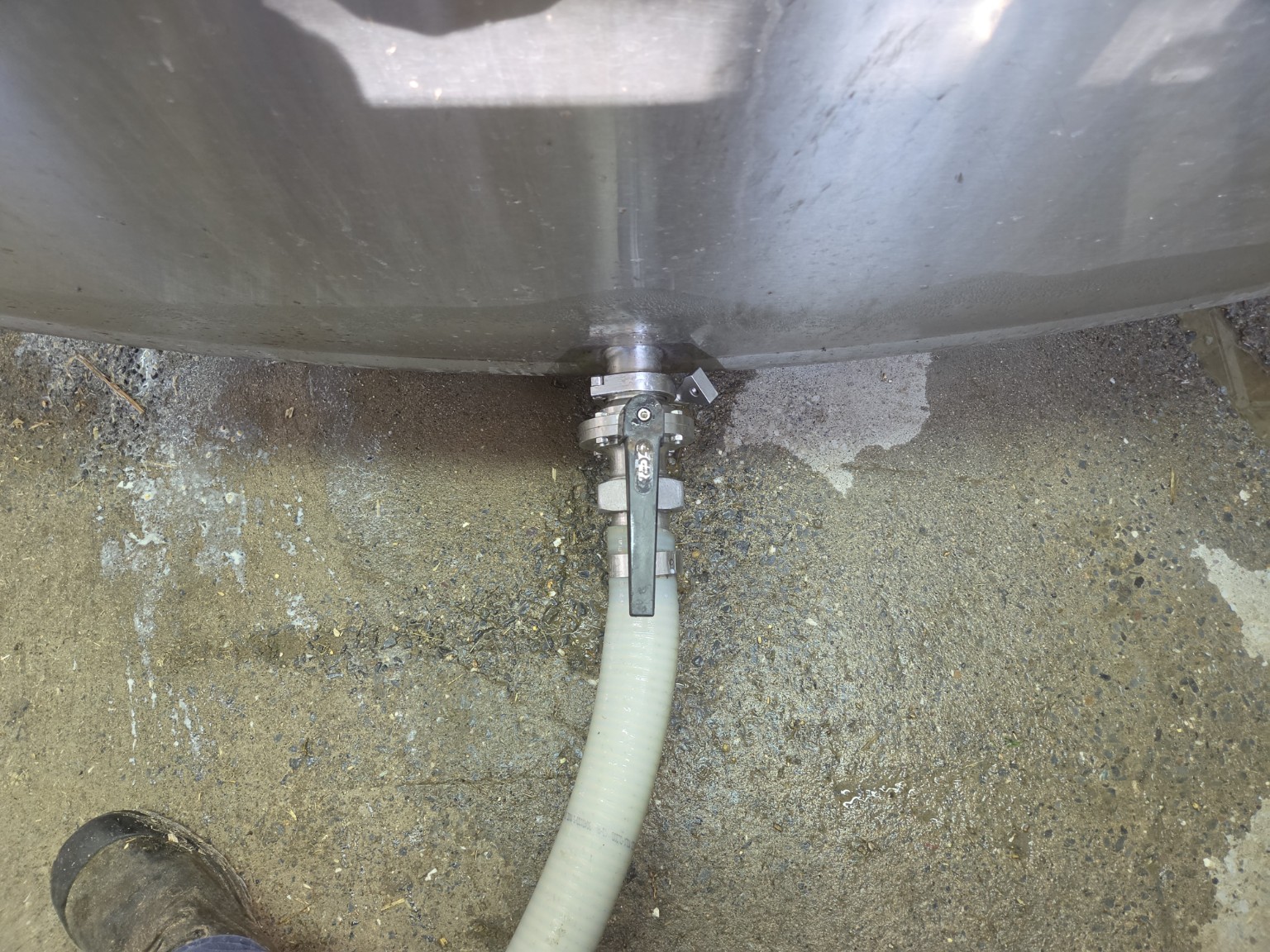
Once the checks and sampling are complete, the driver connects the truck hose to the tank outlet. The milk is then pumped into the tanker.
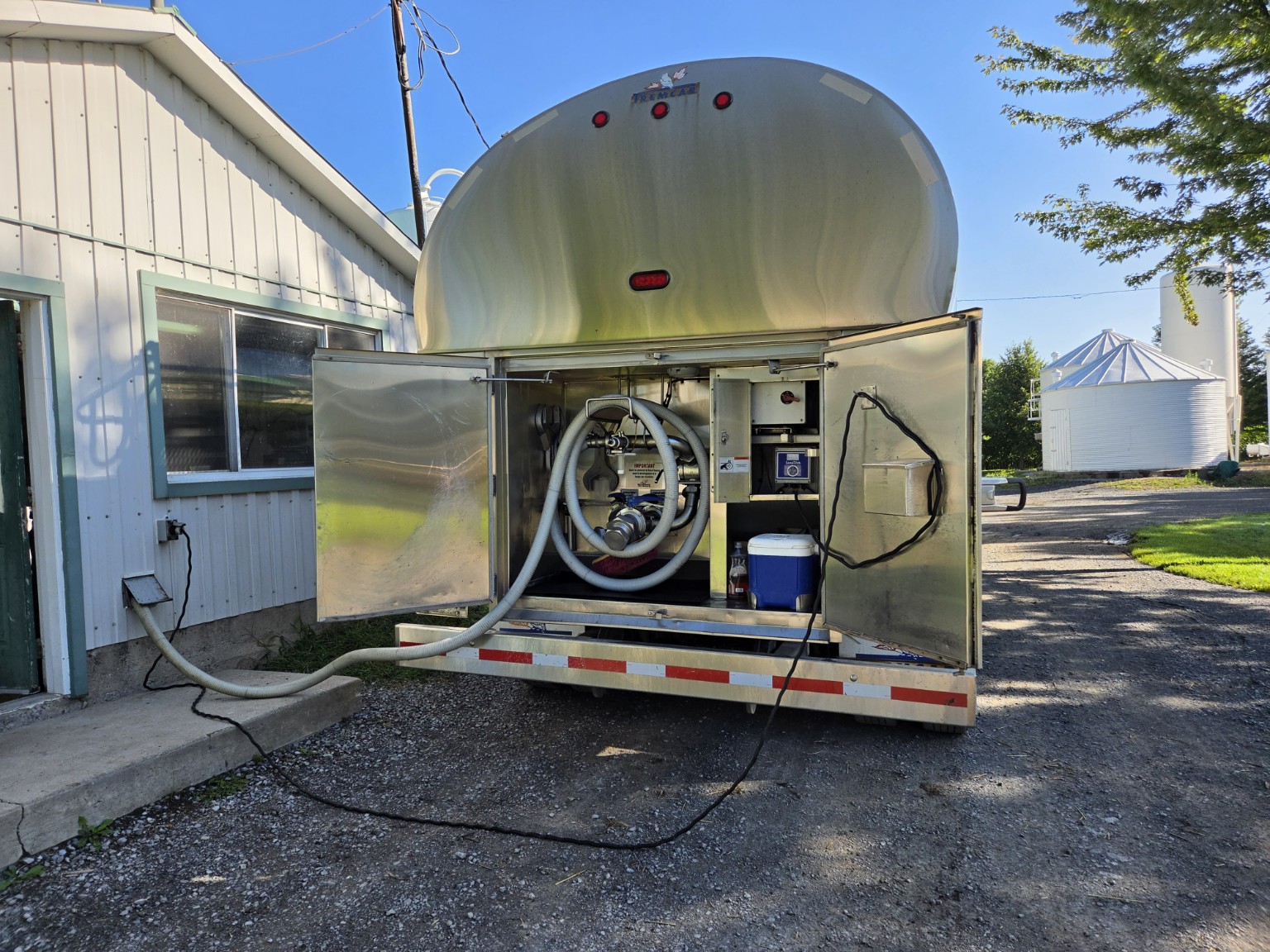
At the back of the truck is a complete set of hoses, fittings, valves and transfer equipment.
The transfer empties the farm tank, but the truck usually continues on to other farms. A single tanker can therefore contain milk collected from several different dairy farms.
The milk does not always go to the same processing plant
For the farmer, the exact destination of the milk is not necessarily known at every pickup.
The load may be sent to different plants depending on the needs of the processing network. A farmer may sometimes ask the driver where a particular load is headed, but that information is not necessarily provided at every pickup.
In other words, milk leaving a given farm is not permanently tied to one plant or one brand. It enters a collection and processing network that adjusts to changing needs.
After the truck leaves, the bulk tank must be washed
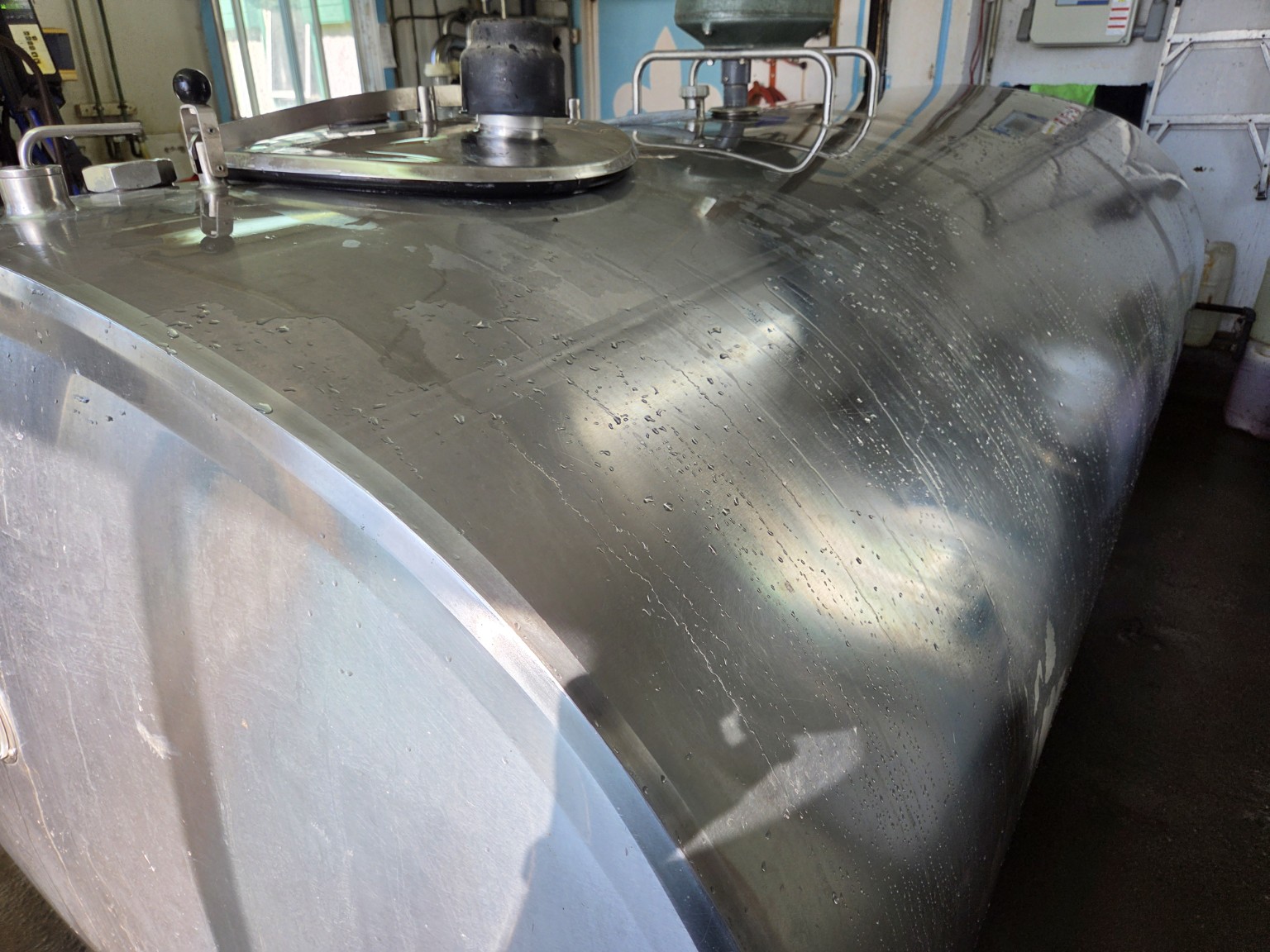
Once the tank is empty, it has to be cleaned before receiving milk from the next milkings.
On this installation, the farmer starts the wash cycle manually after pickup. The cycle cleans the inside of the tank and the surfaces that will come into contact with milk again.
Washing the outside of the tank is a separate operation. In some of the photos taken during this pickup, the outside of the tank is still wet simply because it had just been cleaned.
A routine farm task, but an essential step
For a dairy farmer, seeing the truck arrive every two days is part of the routine. Yet this step directly connects the farm to the rest of the dairy supply chain.
In just a few minutes, several operations take place: the volume is measured, samples are collected, the milk is transferred, the pickup is recorded and the truck leaves to continue its route.
The milk will then move through the collection network and be processed into fluid milk, cheese, yogurt, butter or other dairy products. But before any of that happens, its journey begins very simply: in a refrigerated bulk tank a few degrees above freezing, then in a tanker truck travelling from farm to farm.