Category: Revue de presse

  • Agricultural news for August 29, 2026: Pakistan returns to Canadian canola

    Agricultural news for August 29, 2026: Pakistan returns to Canadian canola

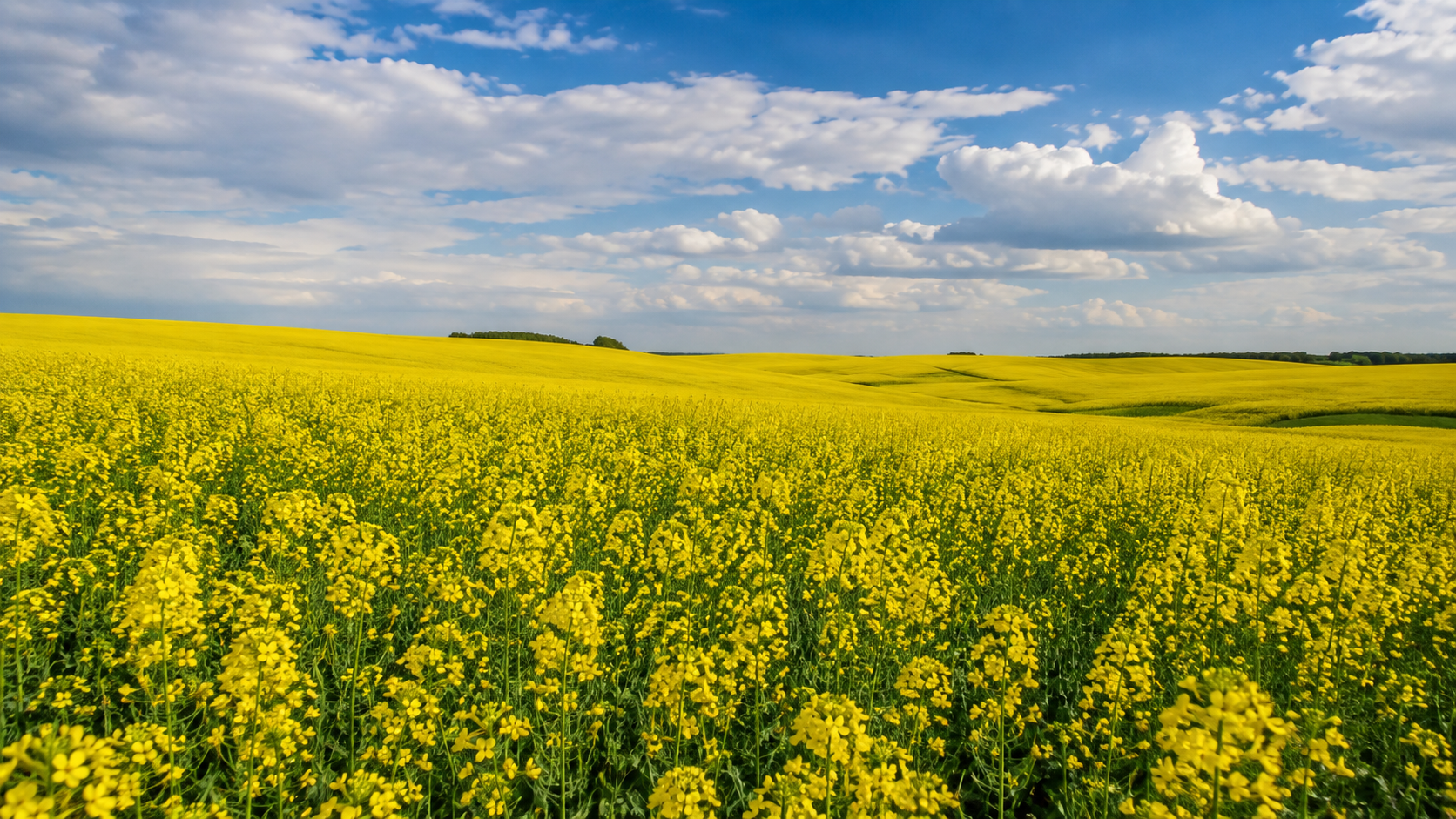
    Pakistan has returned as a significant buyer of Canadian canola after regulatory changes had largely closed that market for several years. The renewed trade adds a useful outlet at a time when Canada is preparing to handle another very large crop while directing more seed into domestic crushing.

    Pakistan is buying Canadian canola again

    Pakistan purchased 506,656 tonnes of Canadian canola during the first six months of 2026, according to figures reported by Farmtario. That compares with 165,128 tonnes in all of 2025 and no purchases in 2023 or 2024.

    The country now ranks as Canada’s fifth-largest canola customer this year, behind China, the European Union, Japan and Mexico. Access had been constrained while Pakistan revised its import requirements for genetically modified crops. The regulatory framework was updated in late 2025, and Canada and Pakistan signed a new phytosanitary protocol in July 2026.

    The reopened market matters because Pakistan can absorb meaningful volumes. Its purchases have varied considerably in the past, reaching 1.35 million tonnes in 2016. Restoring predictable access does not guarantee trade at that level, but it gives Canadian exporters another substantial destination and reduces their dependence on a smaller group of buyers.

    From my perspective, this is very good news for Canadian agriculture. Canadian canola is not currently facing tariffs, but I still think diversifying our export markets is necessary. The more buyers we have, the less exposed the sector is to a sudden change in trade policy or access in any one market.

    A large crop will meet stronger domestic processing

    Agriculture and Agri-Food Canada forecasts 2026 canola production at 21.6 million tonnes, the second-largest crop on record and 15 per cent above the five-year average. Total supply is projected at 23.46 million tonnes.

    The department expects domestic crush to reach a record 13.7 million tonnes as processing capacity expands. Exports are forecast at 8 million tonnes, down 12 per cent from 2025-26 because more seed is expected to remain in Canada for processing. Despite the large supply, ending stocks are projected to fall 13 per cent to 1.5 million tonnes, notably below the five-year average.

    Pakistan’s return therefore arrives at a useful moment. It provides another market for a large crop, while rising domestic crush keeps the overall balance from becoming burdensome. The durability of this trade will depend on predictable access, competitive prices and Pakistan’s willingness to keep buying beyond the current year.

    Sources: Farmtario; Agriculture and Agri-Food Canada.
  • Agricultural news for August 28, 2026: soybeans, ag tech and canola

    Agricultural news for August 28, 2026: soybeans, ag tech and canola

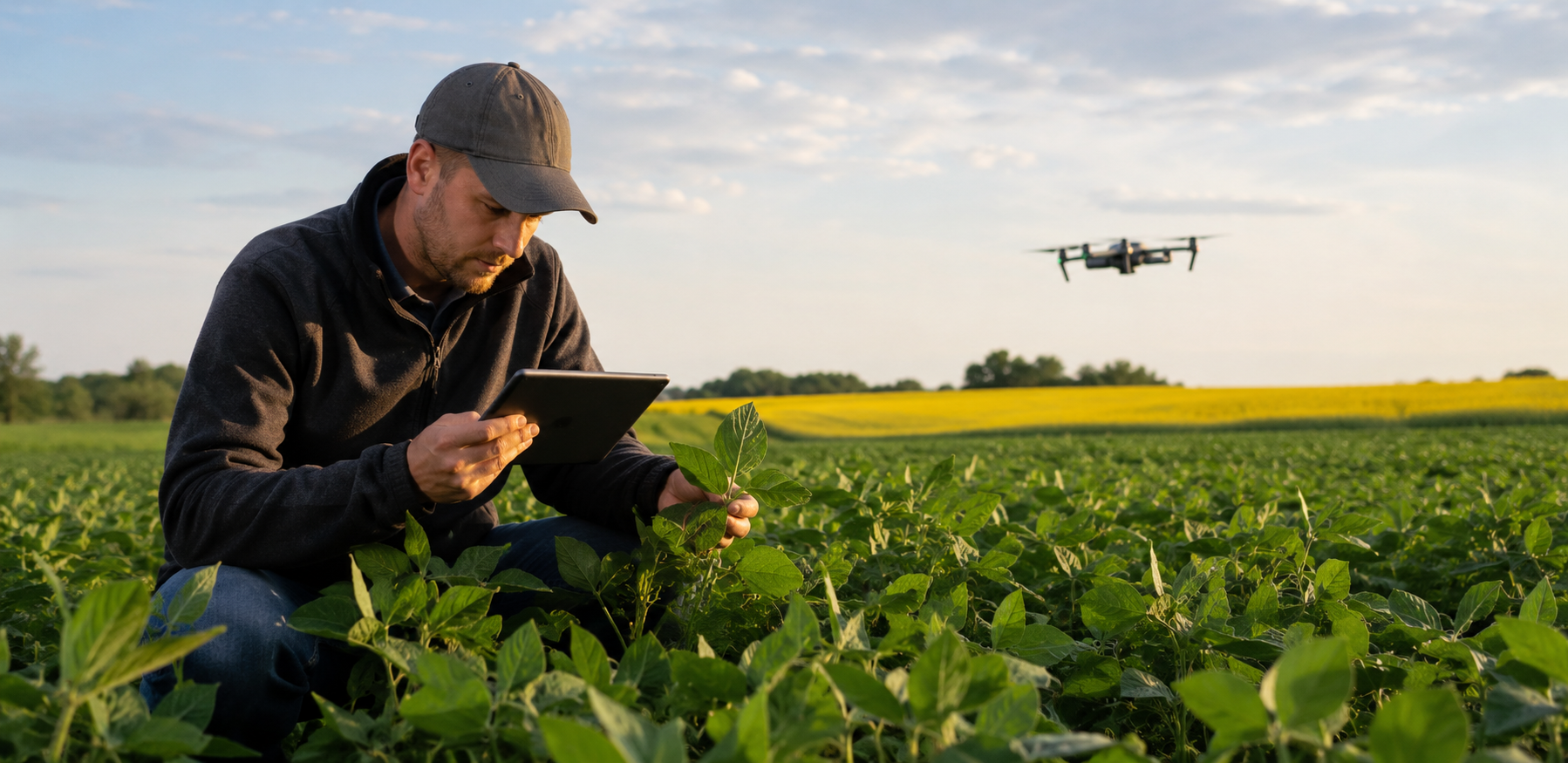
    Today’s agricultural news is focused on improving the path from research to commercial use. Soybean researchers are refining the diagnosis of hidden nutrient problems, Ottawa is renewing a major agricultural technology fund, and Prairie canola growers will see a practical change in how Pioneer packages seed for the 2027 season.

    Hidden nutrient problems may be limiting soybean yields

    University of Guelph researchers are working to establish critical tissue-test levels for boron, iron, manganese and zinc in soybeans. Their longer-term goal is to develop an artificial intelligence tool that could identify micronutrient deficiencies before symptoms become visible.

    Early work suggests both deficiencies and toxicities can reduce crop performance without obvious visual warning signs. Researcher Hugh Earl recommends confirming suspected problems with tissue testing and leaving an untreated check strip when applying a corrective product. Applying micronutrients preventively without a diagnosis can waste money and may create toxicity.

    The team is also studying how drought affects biological nitrogen fixation. In controlled trials with low soil nitrogen, successful nodulation improved soybean yield under both adequate moisture and severe drought. More evidence is still needed before these findings can be turned into broad commercial recommendations.

    Read the Farmtario article

    Ottawa renews $50 million for agricultural technology

    The federal government is providing another $50 million to the Canadian Agri-Food Automation and Intelligence Network. CAAIN will use the funding to support new innovation projects, expand its smart-farm network and continue its operations.

    Created in 2019, the non-profit funds the development and adoption of technology intended to improve farm productivity, profitability or sustainability. CAAIN says it has invested $36 million in 51 projects, supported 885 jobs and helped generate more than 100 intellectual property assets. Those projects have attracted more than $500 million in follow-on private investment.

    Thirty projects have completed their funding cycles and some have already reached the market. The real test for the renewed program will be whether it can move more Canadian technologies beyond trials and into tools that farmers can afford and use under commercial conditions.

    My view: This investment matters. It will strengthen Canada’s capacity for innovation and help make our agricultural sector more competitive.

    Read the Farmtario article

    Pioneer will sell canola seed by seed count in 2027

    Pioneer is changing all of its Canadian canola products from weight-based packaging to a minimum seed count for the 2027 growing season. Each bag will contain at least 4.25 million seeds, which the company estimates is enough for approximately 10 acres.

    Bags will carry an A-to-E seed-size classification, while total bag weight will remain on the label so growers can adjust seeding rates for field conditions. The shift should make acreage planning and inventory easier because the amount purchased will correspond more directly to the target plant population.

    The change also makes price comparisons more meaningful when seed size varies. A bag with a known number of seeds removes some of the uncertainty created when two bags of equal weight contain different seed counts, although establishment and final plant stand will still depend on germination, mortality and seeding conditions.

    My view: This will be very practical when calibrating seeders. Knowing the exact number of seeds in each bag makes it possible to calculate precisely how much seed is needed for a given acreage.

    Read the RealAgriculture article

  • Agricultural news for August 27, 2026: diesel, vegetables and honey

    Agricultural news for August 27, 2026: diesel, vegetables and honey

    Input costs and food-sector competition lead today’s agricultural news. Farmers are being warned that already elevated diesel prices may rise further, Canada’s Competition Bureau is trying to stop a major vegetable-brand acquisition, and U.S. beekeepers say they did not ask for the new tariff on Canadian honey.

    Farm diesel prices may have further to climb

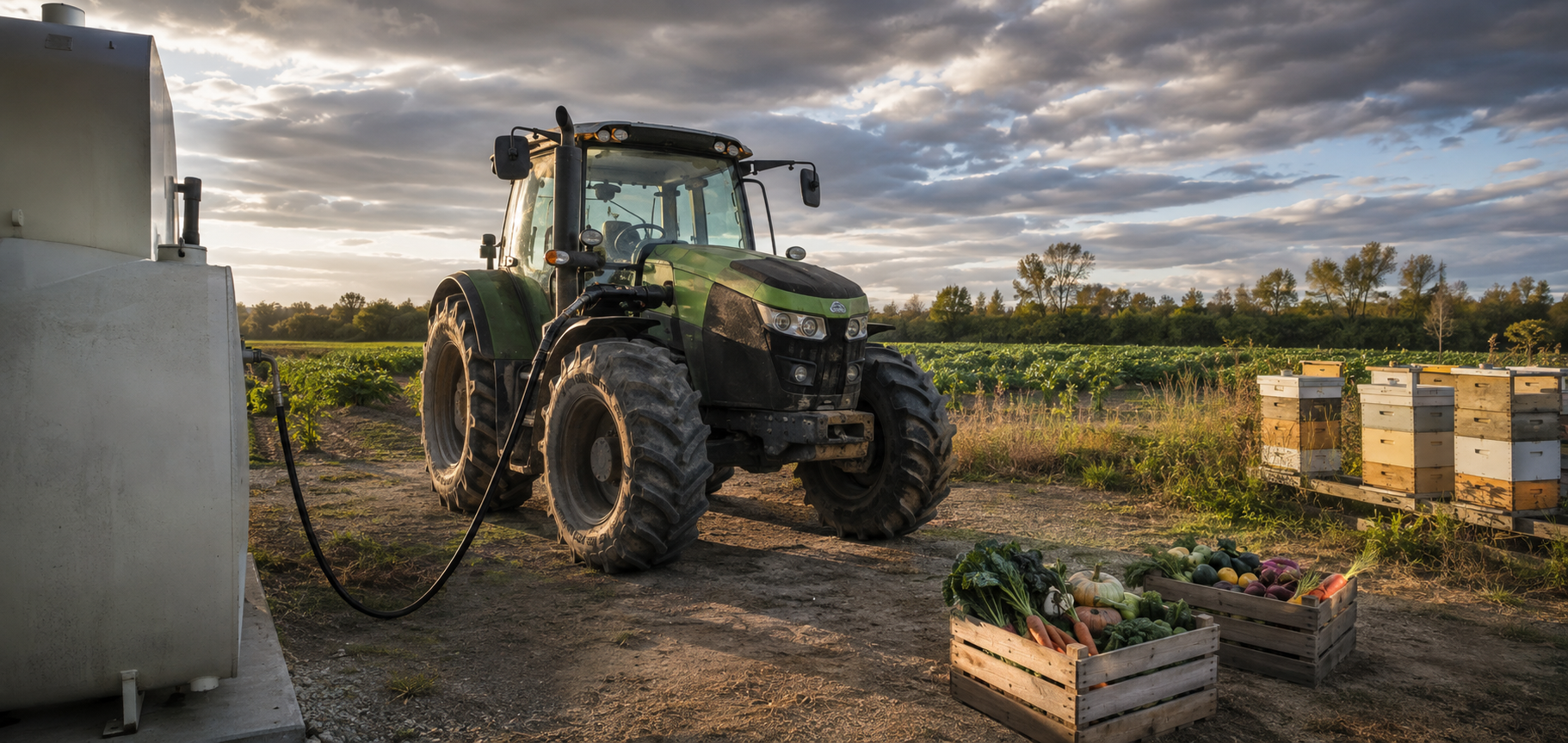
    Farm diesel remains historically expensive, and a Western Producer analyst says the market may not have reached its high. Bulk diesel delivered to a Saskatchewan farm was selling for about $1.65 per litre on August 20, after prices exceeded $2 per litre earlier this year.

    The pressure is coming less from crude oil itself than from a shortage of global refining capacity. Traffic through the Strait of Hormuz remains restricted, Russian refineries have been damaged, and Russia has shifted from exporting diesel to importing it. The risk is especially important during harvest, when farmers have little ability to reduce machinery use. The analyst’s advice is to remain well stocked instead of waiting for a quick price decline.

    My view: Tensions remain high in the Strait of Hormuz, keeping considerable pressure on petroleum products. Farmers have to manage the situation as best they can, even though cutting fuel consumption during harvest is difficult. Keeping tanks full is therefore probably the best strategy as long as tensions persist in the region.

    Read the Western Producer analysis

    Competition Bureau moves to block Green Giant acquisition

    Canada’s Competition Bureau has asked the Competition Tribunal to prevent Nortera Foods from acquiring B&G Foods Canada’s Green Giant and Le Sieur vegetable business. Nortera already sells canned and frozen vegetables under brands including Del Monte and Arctic Gardens.

    The Bureau says Nortera is already Canada’s dominant processor of certain canned and frozen vegetables. The deal would combine it with its only major national brand competitor in an already concentrated market, creating a risk of higher prices and fewer choices for grocery wholesalers and consumers. The Competition Tribunal will make the final decision.

    My view: I agree with the Competition Bureau. Grocery prices are rising faster than prices overall, making healthy competition essential. Agriculture also needs to preserve as many buyers as possible. Otherwise, prices will be controlled by an increasingly small number of companies, leaving farmers in a weaker bargaining position.

    Read the Competition Bureau release

    U.S. beekeepers say they did not seek the tariff on Canadian honey

    The United States has imposed a 50 per cent tariff on Canadian honey since August 22, but U.S. beekeeper representatives say they did not lobby for it. A former president of the American Honey Producers Association says Canadian honey accounts for too little of the market to be a priority for the organization.

    The United States imported about 11.8 million pounds of Canadian honey in 2025, only two per cent of its total honey imports. American producers say they are more concerned about volumes from Brazil, India and Argentina, along with adulterated honey. Their reaction undercuts the idea that the tariff answers an urgent industry demand and could remove a Canadian supplier just as the U.S. honey crop is expected to be weak.

    My view: This is another example of the Trump administration’s incompetence in managing its trade relationships. It behaves like a bully, using intimidation to impose its will instead of seeking a win-win solution.

    Related reading: Carney Takes Aim at U.S. Dairy, on Canada’s countermeasures in the broader trade conflict.

    Read the Western Producer report

  • Agricultural news for August 26, 2026: machinery, AgriStability and short-stature corn

    Agricultural news for August 26, 2026: machinery, AgriStability and short-stature corn

    Three stories stand out in Canadian agricultural news today. Most complete farm machines have been left off Canada’s counter-tariff list, Alberta is reopening late AgriStability enrolment after extreme rainfall, and short-stature corn is attracting attention ahead of its eventual Canadian release.

    Most farm machinery is excluded from Canada’s counter-tariffs

    Canada has announced counter-tariffs on C$27.6 billion worth of U.S. imports starting September 8. Despite early broad references to agricultural equipment, a closer look at the detailed list shows that most complete farm machines are not included.

    The measures appear to focus on certain combine parts, headers sold separately, baler parts, some mowing equipment, and selected trailers and conveyors. That detail reduces the risk of a broad price increase for U.S.-made tractors and farm machinery, although some purchases and replacement parts remain exposed.

    My perspective

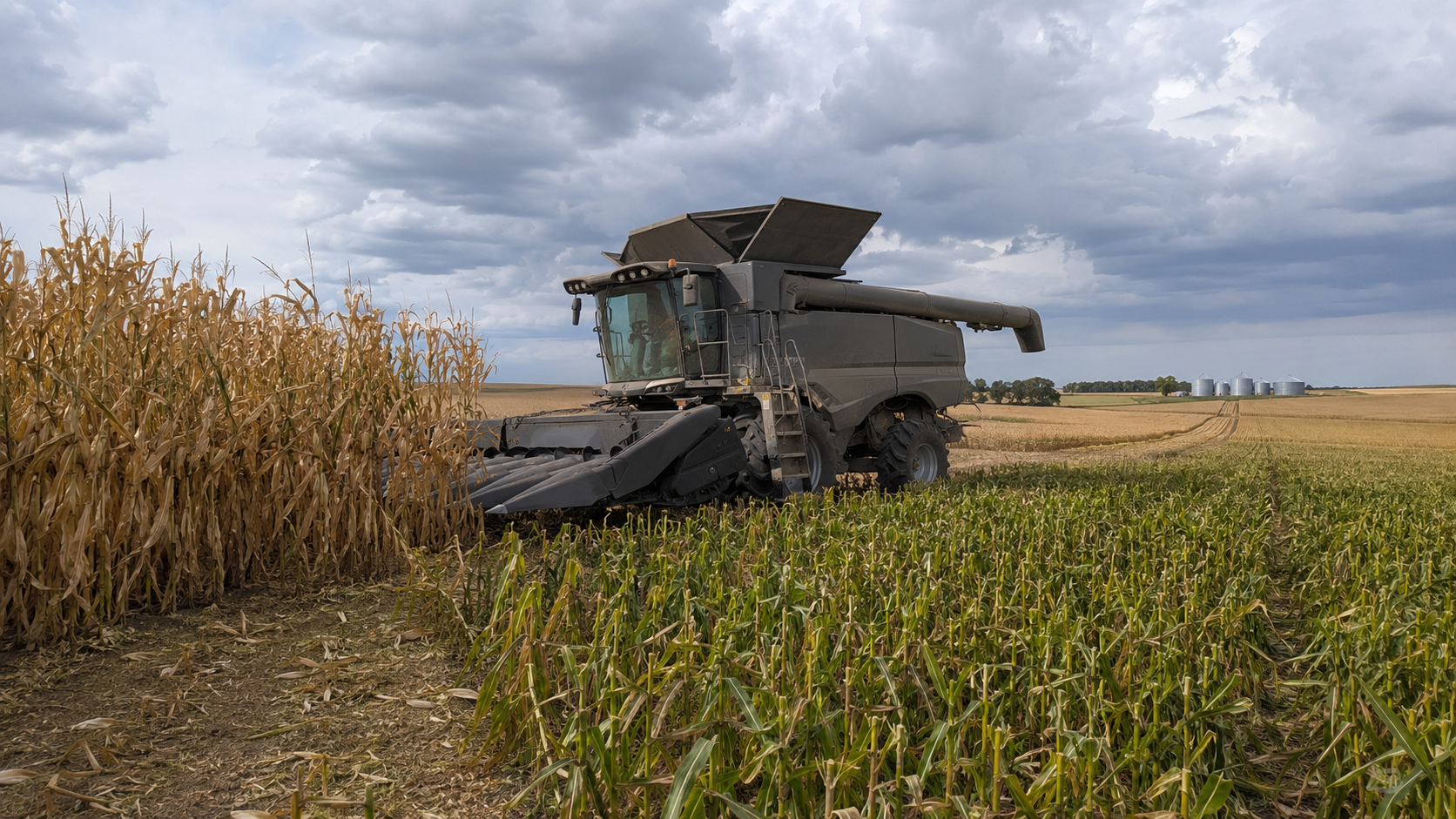
    Overall, this is good news. But with corn harvest season approaching, the impact on certain parts could still become a problem for Canadian farmers. When harvest time comes, delaying a combine repair simply is not an option. Every day counts.

    Read RealAgriculture’s detailed analysis
    Review the official list of affected products

    Alberta reopens AgriStability after extreme rainfall

    The governments of Canada and Alberta are allowing Alberta producers to enrol in AgriStability until October 1, 2026, even if they missed the April 30 deadline. The measure responds to excessive moisture that has kept some producers out of their fields and prevented essential farm work.

    The interim payment rate is also increasing from 50 to 75 per cent of the estimated final payment to get cash into affected farms sooner. Late enrolment, however, comes with a 20 per cent reduction in any eventual benefit.

    My perspective

    This is good news that will help support Alberta farmers affected by the extreme moisture. But they need to act quickly. The late-enrolment window closes on October 1.

    Read the Government of Alberta announcement

    Short-stature corn moves closer to the Canadian market

    Bayer is continuing Canadian development of its Preceon corn, whose plants stand about seven feet tall instead of more than ten feet for a conventional hybrid. The shorter architecture could support denser stands, reduce the volume of biomass passing through the combine and make late-season fertilizer or fungicide applications easier with ground equipment.

    The trait now sold in the United States is genetically engineered, but Bayer plans to market a Canadian version developed through conventional breeding using a naturally occurring trait. The company has provided no release date and says it will wait until the hybrids can deliver top-tier yields.

    My perspective

    I am very curious to see this corn. Its shorter stature should make it less vulnerable to storms and lodging. If higher plant populations can actually improve yields, that would be excellent. I also wonder whether a shorter plant might require fewer nutrients.

    I do not expect to see this type of hybrid in silage corn anytime soon, since silage production also depends on biomass. It would become much more interesting, however, if a higher plant population could produce a similar volume with a greater proportion of grain.

    Read the Farmtario article

  • Agricultural news for August 24, 2026: cattle, crops and local slaughter rules

    Agricultural news for August 24, 2026: cattle, crops and local slaughter rules

    Three stories stand out today: Canada’s cattle herd is growing again, Quebec’s corn and soybean crops are shaping up well, and new provincial rules on local slaughter take effect this week.

    Canada’s cattle herd grows after several years of contraction

    According to estimates released by Statistics Canada on August 24, Canadian farms held 12.1 million cattle and calves on July 1, 2026, up 3.2% from one year earlier. Feeder cattle, slaughter cattle and calf prices had reached record highs during the first half of the year.

    The same report counted 14.0 million hogs, up 0.6% from July 1, 2025. The sheep breeding herd increased by 0.3% to 629,500 head.

    My view: this is a strong rebound in Canada’s cattle herd. If beef prices hold after the 90-day period during which the United States is easing access for ground beef imports, Canadian producers could find themselves in a favourable position. The question is whether that temporary window will have any lasting effect on prices or whether the market will remain tight enough to support this recovery.

    This ties directly into my analysis published this morning on the 300,000 tonnes of beef the United States plans to bring in over 90 days.

    Read Statistics Canada’s livestock estimates

    A very good corn and soybean harvest is taking shape in Quebec

    As harvest approaches, several field-crop advisers interviewed by La Terre de chez nous expect a good, and in some areas very good, corn and soybean crop across Quebec. Overall yield potential is viewed as slightly above average, despite some regional variability and localized issues such as dry conditions and sclerotinia.

    My view: it is always good news when we are told to expect strong harvests. The next question is what crops will look like across the rest of North America and, above all, whether prices will be there. Good yields alone do not guarantee a good year if abundant production across the continent puts downward pressure on markets.

    Read the report from La Terre de chez nous

    Local slaughter: the new rules take effect this week

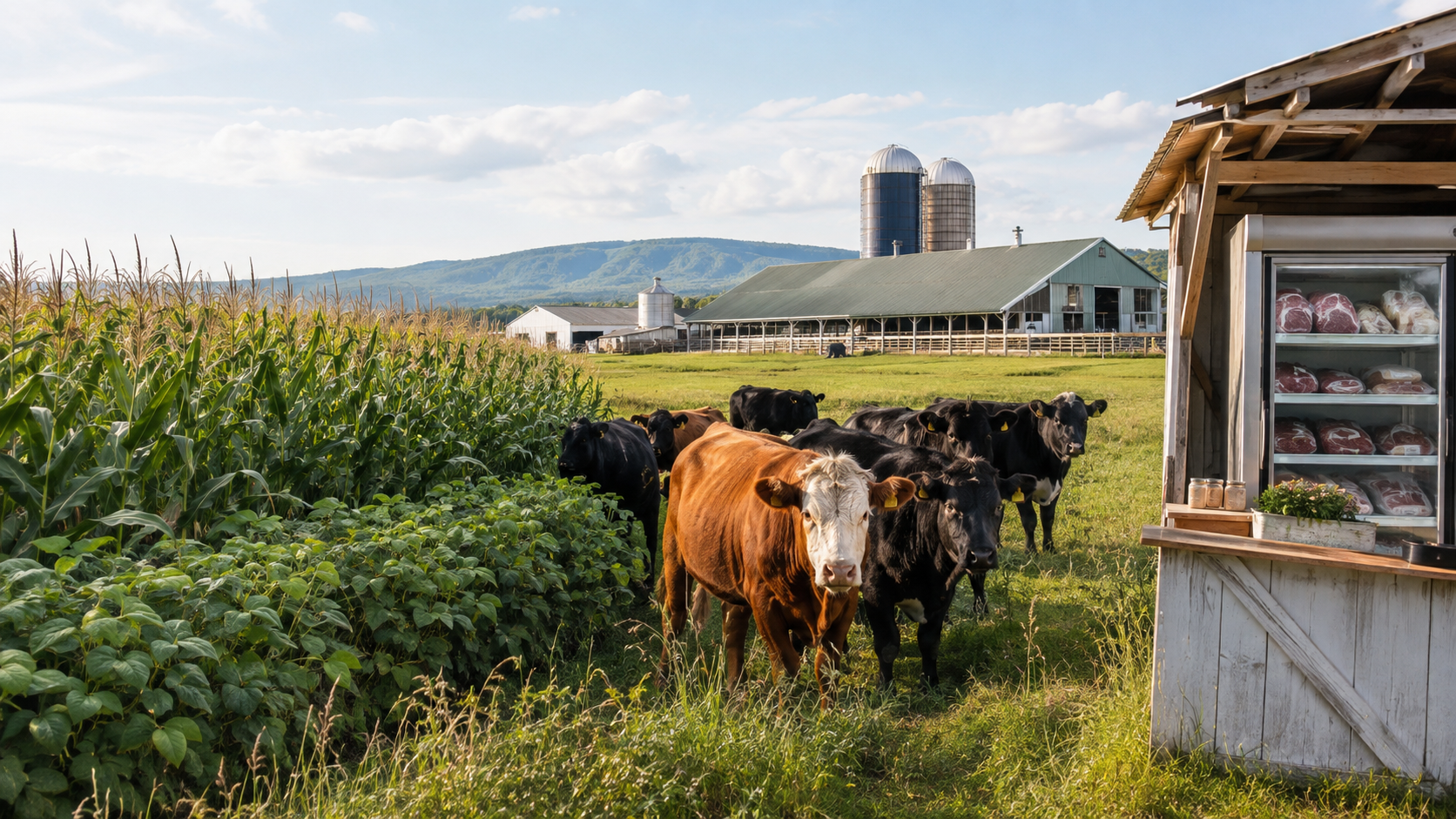
    Quebec’s amendments to the Food Regulation take effect on August 29. The changes were already explained in detail in the August 15 agricultural news review. Among other changes, producers will be able to more easily market meat at retail from their own animals slaughtered at a local slaughterhouse, subject to the applicable permits and requirements. The rules also provide more flexibility for the layout of robotic milking systems.

    My view: this is positive news. By making local sales easier, these changes can help stimulate local economies and allow producers who choose this model to capture a little more income directly from what they produce.

    Read Quebec’s local agriculture strategy